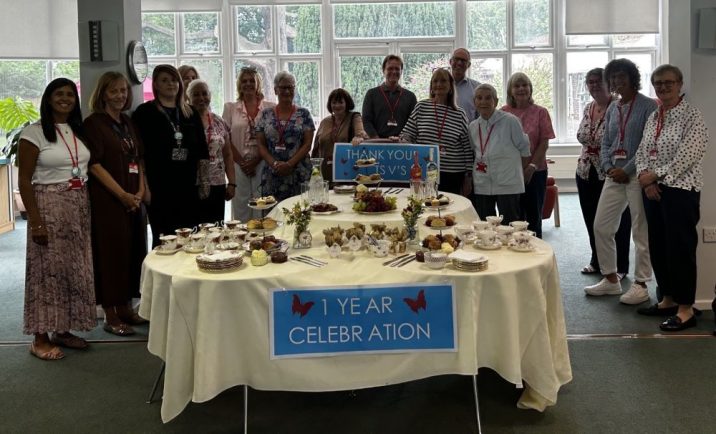
THE MYTON Hospices is celebrating one year of lending a listening ear.
The charity’s telephone support volunteers have officially marked their first anniversary.
They spend time chatting with patients and/or their carers, offering regular social phone calls that help people feel heard, supported and less alone. These conversations are not clinical, and instead focus on everyday connection.
Volunteers talk about hobbies, daily life and the things that matter to the patients, bringing comfort and companionship to people living with a life-limiting illness.
In the first year of the service, the 11 telephone support volunteers made over 550 calls, spending a total of 130 hours on the phone.
Before this service was introduced, Myton’s wellbeing nurses made these calls. By introducing the trained telephone support volunteers, the charity’s nurses are now able to focus on more patients who need clinical intervention, for example help with pain management and symptom control, as well as reducing waiting lists for their services.
Sally, one of the telephone support volunteers, said: ” Often, when people think of hospice care, they imagine the very end of life. But Myton supports people right from the start of their journey. The people we speak to often just want a friendly chat with someone who isn’t a carer, a friend, or a family member – someone outside their usual circle. It’s a fantastic way to offer support.”
Michelle Linnane, the hospices’ associate director of service development and Improvement, added: “We are incredibly proud of the work our telephone support volunteers have done in their first year. We recently took the opportunity to celebrate and thank them for the huge difference they have made by giving their time to make these calls.
“The support they provide is vital in reducing isolation and increasing connection for those living with a life-limiting illness. Their friendly conversations help patients and their carers feel valued and listened to, offering companionship at a time when many may feel alone.”