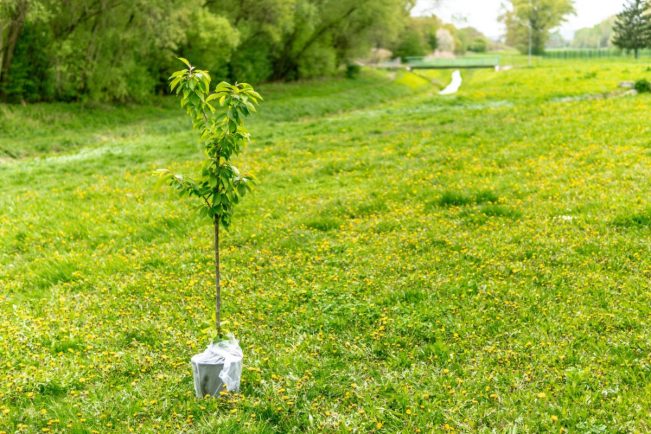
FARMERS across the district can apply for trees to plant on their land.
The fourth round of the Free Trees for Farmers scheme, led by Stratford District Council in partnership with Warwickshire Wildlife Trust, is now open for expressions of interest.
A total of £35,000 is available this year for the purchase of trees, helping farmers enhance their land while delivering environmental benefits for future generations.
With periods of extreme heat and heavy rainfall becoming increasingly common, tree planting can play a vital role in helping farms adapt to changing weather conditions. Trees provide shade for livestock during hot weather, improve water absorption during periods of heavy rainfall and help reduce surface water run-off, making farmland more resilient to climate impacts.
The scheme supports the planting of a range of native and climate-resilient tree species suited to agricultural settings. Species such as oak, field maple, hornbeam, lime, wild cherry and silver birch can provide long-term environmental benefits, while species including alder and willow can help improve water management in wetter areas. Hedgerow and smaller tree species such as hawthorn, blackthorn, hazel and crab apple also provide valuable food sources and shelter for birds, pollinators and other wildlife.
As well as helping farms adapt to a changing climate, trees increase carbon sequestration by capturing and storing atmospheric carbon dioxide, create habitats for wildlife and strengthen connections between fragmented habitats, allowing species to move more freely across the landscape.
Farmers can visit https://forms.gle/EUSneHRnufYa36uu to express an interest by August 9.
SDC leader Coun Susan Juned said: “Through our partnership with Warwickshire Wildlife Trust, we’re pleased to support another round of the Free Trees for Farmers scheme.
“Trees deliver a wide range of benefits for farmers and the wider environment. Planting the right trees in the right places can bring multiple benefits for farms and nature. We would encourage eligible farmers to take advantage of this valuable opportunity. By working together with farmers, we can create a more connected landscape that benefits both food production and wildlife.”