The BBC has enlisted a debt recovery agency to pursue viewers accused of avoiding the TV licence fee as the broadcaster grapples with soaring levels of non-payment and a widening financial gap.
The corporation is estimated to be missing out on around £550 million a year after a sharp rise in licence fee evasion, according to figures examined by MPs.
The proportion of households failing to pay has climbed to 12.5 per cent, almost double the level recorded five years ago.
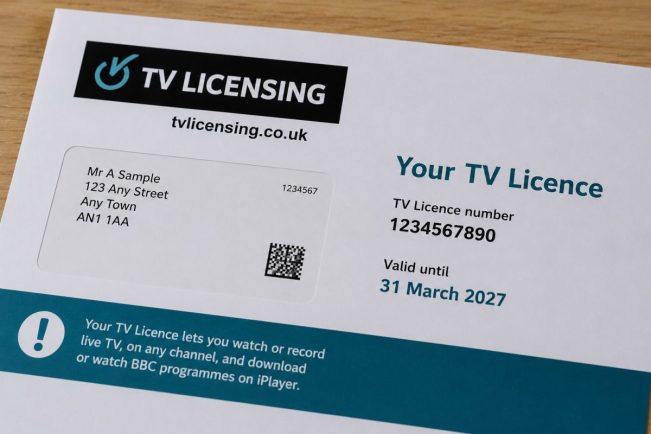
In an attempt to recover lost income, the BBC has brought in Themis Recoveries to send warning letters to suspected non-payers. The arrangement is understood to be temporary while officials assess whether the strategy is effective. The company will work alongside outsourcing contractor Capita, which already manages much of the TV Licensing operation.
The crackdown comes as the annual licence fee reached £180 for the first time, adding further pressure on households already struggling with rising living costs. At the same time, growing numbers of viewers are abandoning traditional television in favour of subscription streaming platforms, weakening the BBC’s long established funding model.
Some licence fee letters have sparked anger online, with recipients claiming they were contacted despite not watching live television or using BBC services. Under current rules, households do not need a licence if they only use on demand streaming platforms and avoid live broadcasts.
Themis has previously faced scrutiny after becoming linked to a case involving victims of identity fraud who were wrongly pursued over debts. Court records cited in reports by The Telegraph showed the company had acted on information supplied by a client. The firm has denied wrongdoing and says strict procedures are followed whenever fraud concerns are raised.
Media analyst David Elstein, a former BBC producer and one time chief executive of Channel 5, said the rise in non-payment reflected major shifts in viewing habits as well as frustration among some audiences over BBC content. He also suggested enforcement activity had become less effective following the pandemic.
Official figures show prosecutions linked to licence fee offences have fallen significantly. There were 28,542 cases in the year to 2024, compared with nearly 40,000 the previous year.
The growing shortfall has intensified debate over how the BBC should be funded in future. Discussions taking place as part of the corporation’s Charter review are expected to examine alternatives including subscription services, digital paywalls and advertising across online platforms.
A spokesman for TV Licensing said the organisation continued to explore different methods of encouraging compliance while also helping people understand when a licence is legally required.