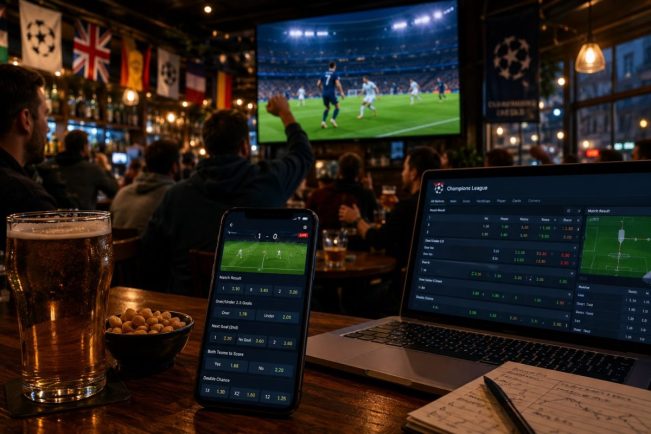
Midweek European nights have always carried a particular weight in Stratford. When the Champions League returns to television screens across town, conversations shift from weekend fixtures to the continent’s elite clubs battling under floodlights. The format may have changed, but the appeal remains constant, high-stakes football that draws casual viewers and dedicated followers alike.
What makes these matches particularly compelling is the sheer unpredictability that unfolds once the whistle blows. A team dominating possession can concede against the run of play. A tactical substitution can swing momentum in minutes. These shifts don’t just alter the scoreline, they reshape how people engage with the action in real time, whether watching at home or gathered in local venues.
Why Midweek European Fixtures Dominate Pub Conversations Across UK Towns
Tuesday and Wednesday evenings carry a distinct rhythm in towns like Stratford. Champions League kick-off times align neatly with the end of the working day, drawing people into pubs and community spaces in a way that weekend fixtures rarely do. Regional business surveys have noted increased footfall in hospitality venues during Champions League weeks, with local venues reporting busier midweek trade compared to domestic league nights.
Social media engagement around European football tends to increase on matchdays, with people talking more, sharing more, and gathering when the stakes feel higher.
Betting activity often rises during European competition matchdays, with midweek fixtures providing some of the busiest periods. The presence of elite teams, unexpected match twists, and constant market changes generates a surge of interest not often seen during domestic league rounds.
How Betting Markets Respond to Live Match Events and Team News
Pre-match odds rarely stay still for long. Confirmed team lineups, released roughly 90 minutes before kick-off, can significantly impact betting lines as bookmakers react to last-minute changes.
Once a match begins, the pace of change accelerates. Many stakes are placed after kick-off, and live odds are frequently updated to reflect goals, red cards, and changes in possession patterns.
Live odds are updated regularly, drawing on a variety of real-time data feeds to reflect match events such as goals, red cards, and changes in possession patterns. Bettors researching UEFA Champions League betting markets can compare pre-match and in-play champions league odds across multiple bookmakers for informed decision-making.
Learning how these markets move means spotting the difference between reactive price changes and real shifts. A goal scored in the opening minutes often triggers overcorrection, with odds swinging further than underlying probabilities justify. Experienced bettors wait for these moments, comparing movement across several platforms before committing stakes.
The Role of Data Integrity in Odds Accuracy
The accuracy of live odds relies on verified, secure data at every stage. UEFA requires all licensed operators to use official data feeds, which means that odds offered on Champions League markets must reflect confirmed match events instead of unverified rumours or social media posts. This system ensures that every market movement, whether for a goal, red card, or substitution, traces back to an authenticated event record.
Industry bodies monitor activity across bookmakers and use data standards to help detect suspicious betting behaviour. Their layered approach helps prevent match fixing and ensures that irregularities can be spotted early, which supports fair play for all bettors. For any operator functioning in the UK, compliance goes even further with regulations from the Gambling Commission. These rules require rigorous data-use protocols and anti-money laundering checks under the latest directives.
Common mistakes can occur when bettors rely on unverified data sources or make decisions on odds based on incomplete score updates. The safest approach is always to check that odds come from regulated operators who partner directly with official data providers. Bettors should also look for transparent disclosures on data sources and review bookmakers’ licensing details for extra peace of mind.
What UK Bettors Should Know About Responsible Gambling and Regulatory Protections
Recent years have seen updates to affordability checks and advertising standards for betting operators, with a focus on earlier risk identification and greater consumer protection. Regulations require all licensed operators to display responsible gambling messages prominently and provide direct access to self-exclusion tools. Advertising rules are equally strict, prohibiting targeting vulnerable groups and requiring all promotional terms to be stated clearly.
Bettors can check whether an operator holds a valid licence through publicly available registers. This step takes minutes and confirms that a platform meets UK legal standards before any stakes are placed.
Free support services remain available for anyone concerned about their gambling habits. Confidential advice and practical tools are offered by several organizations.
Knowing about these protections helps bettors make informed choices about where and how they place stakes. Licensed operators must comply with strict data-use standards, transparent terms, and fair treatment protocols. These requirements exist to protect consumers and keep market trust.
Cross-Sport Betting Trends and How Football Compares to Other UK Markets
Football is widely regarded as one of the most popular sports for betting in the UK, with horse racing and tennis also attracting significant interest. Champions League matches are among the most anticipated football events, and many bettors place higher average stakes on these matches compared to domestic league fixtures. The prestige of the tournament and the range of available markets contribute to this trend.
Mobile betting now plays a major role across all sports. Many UK sports bets are placed via smartphone apps rather than desktop or retail channels. That shift has made in-play betting more accessible, with bettors able to react to live match events from wherever they are watching. The convenience of mobile platforms has changed how people interact with Champions League odds, allowing instant comparisons and quick stake placement during matches.
Paying attention to these overlapping schedules and market changes can help identify worthwhile opportunities and may reduce overexposure to one outcome. Many experienced bettors also compare movement and pricing across sports, which can highlight moments when football markets move in response to wider betting activity or shared news stories. This broader perspective shows how pricing trends often reflect both sharp market input and professional models instead of isolated changes.