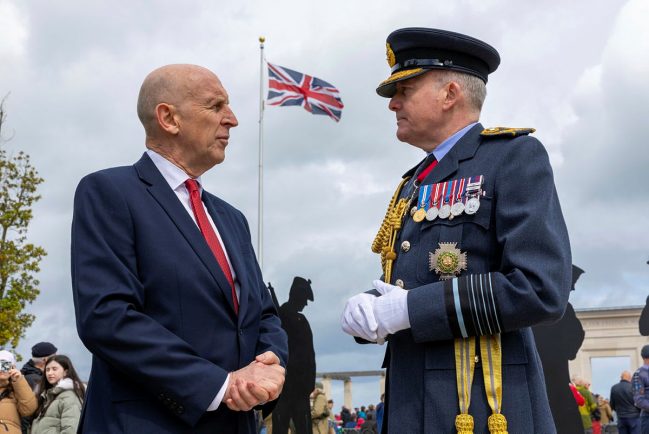
Defence Secretary John Healey has resigned from the Government after a dispute over Labour’s plans for future defence spending.
The resignation represents a significant challenge for Prime Minister Sir Keir Starmer and comes amid growing debate about how much Britain should invest in its Armed Forces at a time of increasing international tensions.
In a letter to the Prime Minister, Mr Healey said he could not support the Government’s proposed Defence Investment Plan, arguing that it did not provide sufficient funding to meet the challenges facing the country. He warned that the level of investment being proposed could affect military readiness and place additional pressure on Britain’s Armed Forces.
Mr Healey said the Government’s plans would increase defence spending to around 2.68 per cent of Gross Domestic Product by 2030, falling short of the three per cent target that some defence leaders and military figures have called for in recent years.
The former Defence Secretary argued that the world had become increasingly uncertain, pointing to ongoing conflicts and growing security concerns across Europe and beyond. He said Britain needed to move more quickly to strengthen its military capabilities.
Mr Healey had been considered one of Sir Keir Starmer’s closest allies within the Cabinet, making his departure particularly notable. His resignation is likely to prompt further discussion about the Government’s defence priorities and how Britain prepares for future security challenges.
The Government has defended its commitment to national defence. Senior ministers have insisted that Sir Keir remains committed to strengthening the Armed Forces and maintaining Britain’s security.
The resignation has also sparked concern within the defence industry, with some business leaders warning that long-term certainty over defence investment is important for both military planning and the companies that supply equipment and services to the Armed Forces.
Attention will now turn to who will succeed Mr Healey as Defence Secretary and whether the Government will make any changes to its planned approach to defence spending.
The departure of such a senior Cabinet minister highlights the growing importance of defence policy as Britain and its allies respond to an increasingly uncertain international environment.