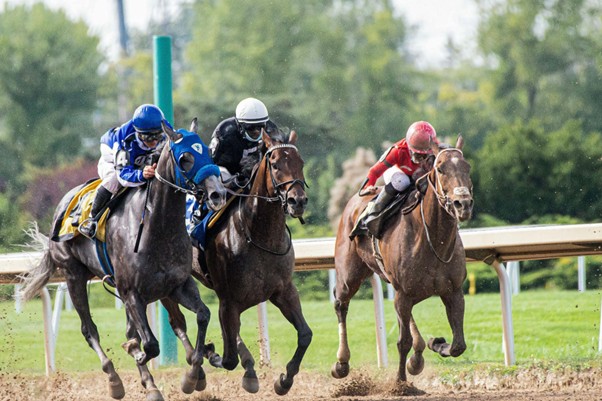
The Preakness Stakes remains one of the most closely analyzed races in American horse racing. Each year, the betting market reflects not just public interest but also deeper insights into horse performance, training patterns, and race dynamics.
For 2026, the odds offer a detailed snapshot of how the field is shaping up before the gates even open.
Understanding what these odds reveal can help readers interpret the competitive landscape with more clarity. Rather than focusing on outcomes, this analysis examines how odds pricing, movement, and positioning signal the relative strength and expectations related to each contender.
Reading the Odds Board
The odds board does more than sort the field. It shows how the market is pricing each horse at a given moment and how expectations are taking shape before the race. That makes it one of the clearest and most easily accessible tools for understanding the Preakness from a betting perspective.
For bettors comparing contenders, 2026 preakness stakes betting odds can highlight where confidence is building and where questions remain. Shorter prices usually point to runners with stronger recent form, major prep race visibility, or trusted trainer and jockey combinations. Longer prices can suggest uncertainty, limited exposure, or a less proven form at this level of competition.
The spacing between horses also matters. When the top of the board is tightly packed, it often signals a more competitive field. When one horse is clearly shorter than the rest, the market is showing a sharper opinion. Watching those prices move helps reveal how the field is being evaluated in real time.
Favorites and Market Confidence
Favorites often reflect collective confidence across multiple evaluation points. These horses usually combine form, pedigree, and strong connections. Their placement at the top of the board highlights the consistency and reliability of their form, connections, and preparation.
Key indicators that shape favorite status include:
- Strong finishes in preceding graded stakes races,
- Proven ability on similar track conditions,
- Experienced trainers with consistent Triple Crown entries,
- Jockeys with a track record at Pimlico.
These factors create a structured profile that bookmakers factor in when assigning shorter odds. It’s not just about past performance but also about how repeatable that performance appears under pressure.
Another important element is pace compatibility. Favorites often show adaptability in different race scenarios. This flexibility supports their position and explains why their odds tend to remain steady as race day approaches.
Mid Field Contenders
Mid-range odds often represent the most intriguing part of the field. These horses may not carry the same level of certainty as favorites, but they frequently show upward potential based on recent development.
This segment of the odds board highlights runners that are improving or have yet to fully demonstrate their ceiling. Analysts often focus on progression patterns, especially in the weeks leading up to the race.
Several elements define this group:
- Incremental improvement across recent races,
- Trainers known for timing peak performance,
- Horses transitioning effectively between distances,
- Positive workout reports ahead of race day.
These contenders reflect a balance between proven ability and emerging strength. Their positioning suggests that while they are not yet fully established, they remain important in the context of the race.
Close reading of this tier often reveals subtle shifts in perception, especially when one horse begins to separate slightly from others within the same range.
Long Shots and Hidden Signals
Longer odds don’t imply a lack of quality. Instead, they often highlight uncertainty or limited exposure. Some horses in this category may have fewer high-profile races, while others could be entering under unique circumstances.
This section of the odds board can reveal overlooked attributes. For example, a horse stepping up from a less prominent circuit may bring strong form that has not yet been widely recognized by the broader market.
Factors that influence longer odds include:
- Limited participation in major prep races,
- Smaller stables with less national visibility,
- Inconsistent past performances,
- Unfamiliar jockey pairings.
Despite these factors, long shots sometimes carry distinct strengths such as endurance or late pace development. Their placement often reflects incomplete information rather than a fixed assessment.
Tracking how these odds evolve can highlight when new information begins to reshape perception.
Market Movement and Timing
Timing plays a critical role in interpreting betting odds. Early lines provide a baseline, but the most revealing insights often come from how those lines evolve closer to race day.
Shifts in odds can be driven by new data, such as workout times, track conditions, or strategic adjustments from trainers. These changes offer a dynamic view of how expectations are being updated.
Consistent downward movement in odds may indicate strengthening confidence from multiple sources. Upward movement can reflect reassessment as new details emerge.
It’s also important to consider how public attention interacts with expert evaluation. High-profile horses often attract betting interest that influences pricing, but sustained movement usually reflects deeper consensus among the public and sharp bettors.
Tracking these changes over time helps readers move beyond static rankings and understand how the field is being interpreted in real time.
What the Odds Say About the 2026 Field
The 2026 Preakness Stakes odds reveal a layered and competitive field shaped by both established performers and emerging contenders. The structure of the market highlights clear tiers while also showing fluidity as perceptions shift.
Favorites demonstrate stability and well-defined profiles, while mid-range contenders introduce ongoing development. Long shots add depth by bringing less visible strengths into the discussion.
Taken together, the odds provide a detailed framework for understanding how the field is viewed before race day. They reflect a combination of performance data, expert interpretation, and evolving insights.
For readers interested in horse racing analysis, examining these odds offers a structured way to interpret the competitive landscape with clarity and precision.