
BIODIVERSITY is getting a boost near Shipston thanks to two new habitat banks.
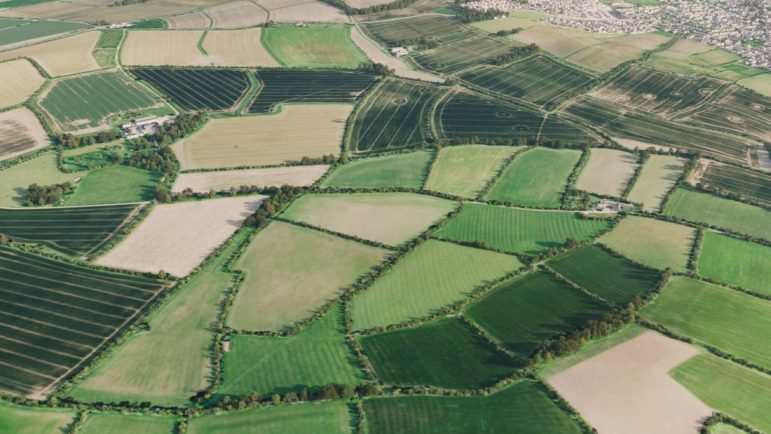
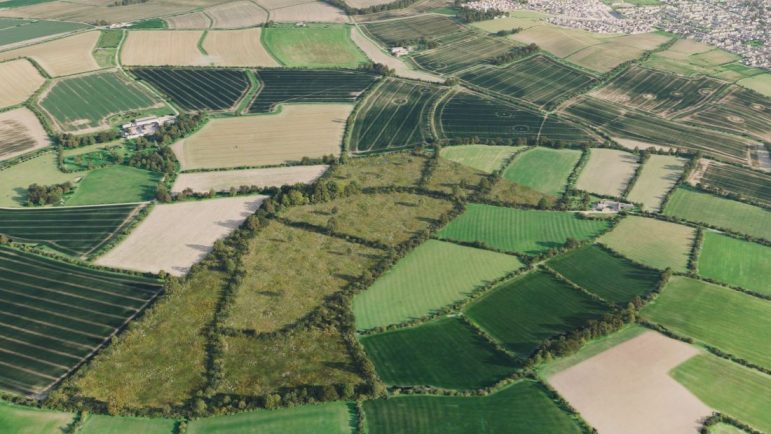
Shipston-on-Stour Habitat Bank and Stretton-on-Fosse Habitat Bank will together cover almost 80 acres of land, transforming low-yielding arable and pasture fields into a thriving network of grassland, wetland, scrub, and woodland habitats.
The adjoining sites will add to the expanding national network of dedicated nature recovery sites being set up by Environment Bank, a Biodiversity Net Gain (BNG) provider.
The habitat banks are designed to reflect Warwickshire’s historic natural landscape, strengthen ecological connectivity along Pig Brook stream and contribute to the wider restoration of the Dunsmore and Feldon and the Cotswolds National Character Areas (NCAs).
The nearly 15-acre Shipston Habitat Bank will provide ideal conditions for grass snakes and common toads, while the site’s position within a natural flood zone means habitat creation will also help improve soil health, increase water retention and build resilience against flooding.
Just east of Stretton-on-Fosse, the second habitat bank spans almost 65 acres, where Environment Bank’s ecologists are restoring a mix of lowland meadow, ponds, hedgerows and broadleaved woodland – several of which are priority habitats named on the Warwickshire Local Biodiversity Action Plan.
Working closely with the local organic farmer, livestock will be used to sustainably manage the grasslands, complementing wider grassland restoration already underway on the surrounding farm.
Along the southern boundary of the site, existing woodland is being extended and selectively thinned to allow sunlight to reach the woodland floor, improving structure and providing valuable deadwood habitat for invertebrates. Around Pig Brook, the team is creating a mosaic of habitats to support species such as Eurasian water shrew, while local birdlife, including skylark, yellowhammer, kestrel and song thrush, is expected to flourish.
Environment Bank’s lead ecologist for the habitat banks, Matthew Sharp, said: “It is a great privilege to be working with Jonathan who manages the farm on behalf of the landowner. He’s incredibly experienced and proactive. Thanks to him, ecological restoration work is already underway in several neighbouring grassland fields on the farm.
“Our habitat banks will compliment Jonathan’s existing work and unlock the ecological potential of the site brilliantly by forming a link between those fields and the river corridor. This will have a significant and long-term impact on biodiversity with far reaching effects across the landscape, and I am really excited to watch it grow.”
These habitat banks are two of more than 45 BNG sites from Environment Bank’s expanding national network, created and managed by its team of ecologists in partnership with rural landowners, that covers over 3,000 acres of land in total.